Why Cambium Fixed Wireless Solutions?
Performance That Holds Up. Economics That Make Sense.
Cambium ePMP™ delivers Gbps-class capability, proven interference resilience, and the lowest cost-per-line in the industry, without forcing you into proprietary lock-in or inflated hardware costs. And with R&D in full swing, improving our platform and working on next-gen, backwards-compatible products, you get a solution that keeps evolving with your network.
The Difference Between Specs and Results
Many vendors can publish strong numbers. Getting consistent capacity out of real spectrum, under real interference, with real subscriber density takes years of refinement on the same platform. There is no shortcut.
ePMP has that history. Newer platforms may look strong in a controlled test with one access point and a couple of subscriber modules. They haven’t lived through years of actual WISP conditions.
What you get
- More capacity and efficiency from the spectrum you already have access to.
- Advanced MU-MIMO and intelligent scheduling that scale as sectors load.
- The lowest cost-per-line in the industry with the Force 4518 and 4616.
- Flexibility. From modes of operation supporting different deployment types to numerous hardware combinations, you get the ultimate flexibility with ePMP.
Big Performance. Smaller Hardware Investment.
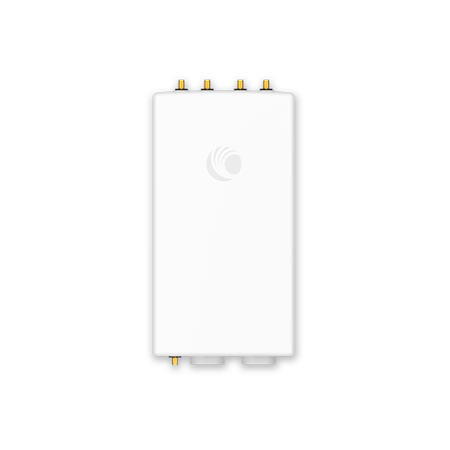
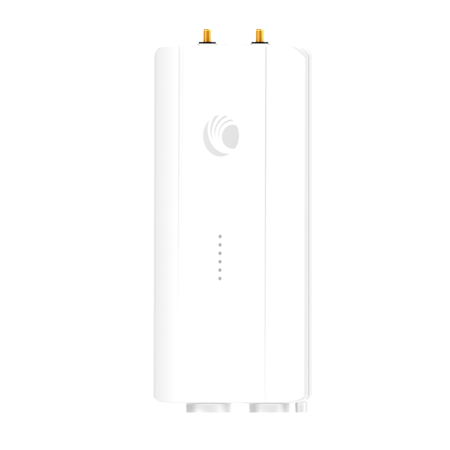
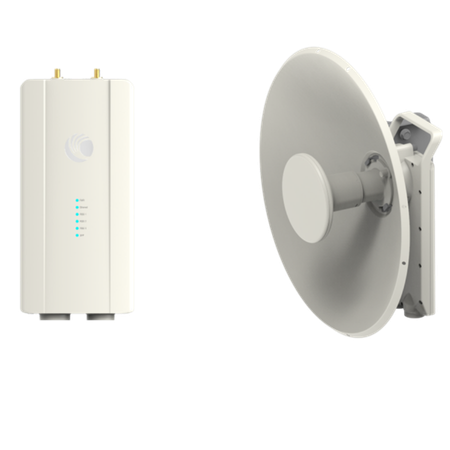
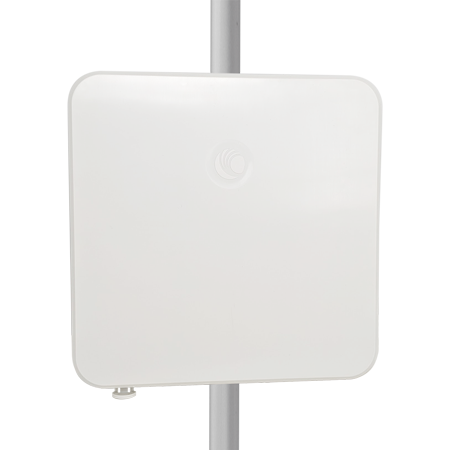
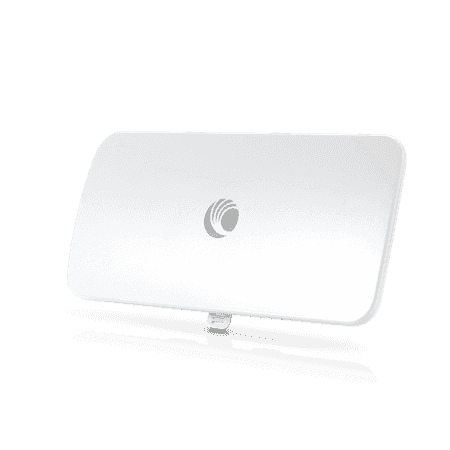
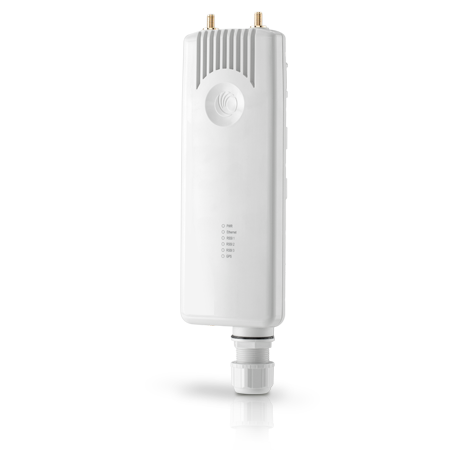
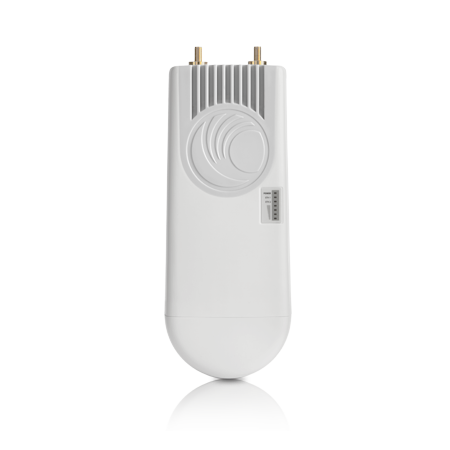
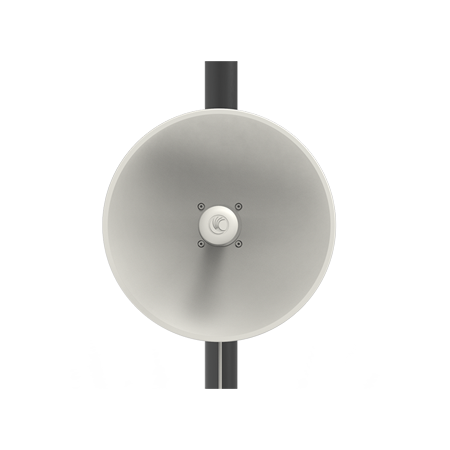
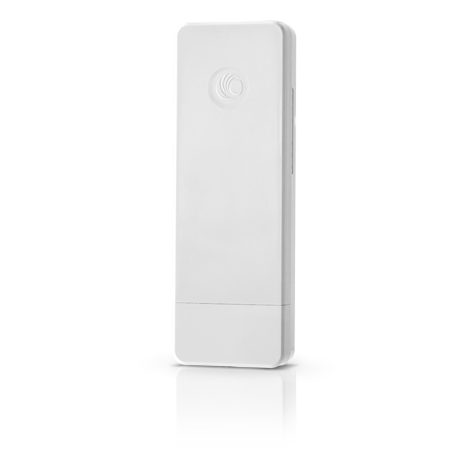
ePMP Force 4518 (5 GHz) and Force 4616 (6 GHz) deliver Gbps-class throughput in compact, integrated-antenna form factors. They interoperate with the ePMP 4000 Series access points and can also serve as low-cost access points for small sectors.
Growing your subscriber base doesn’t have to mean growing your equipment costs at the same rate.
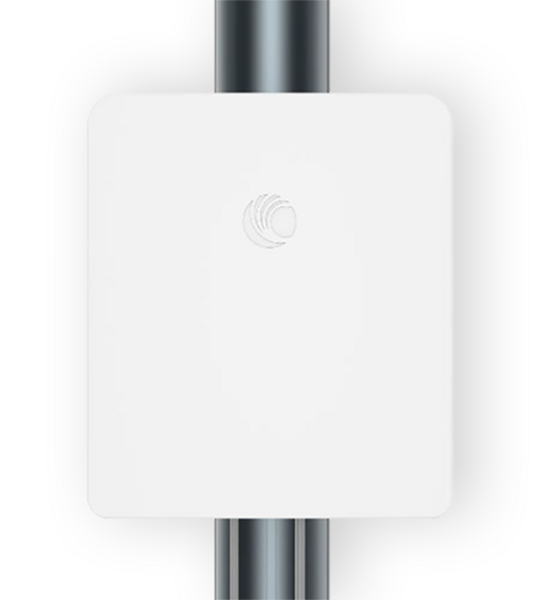
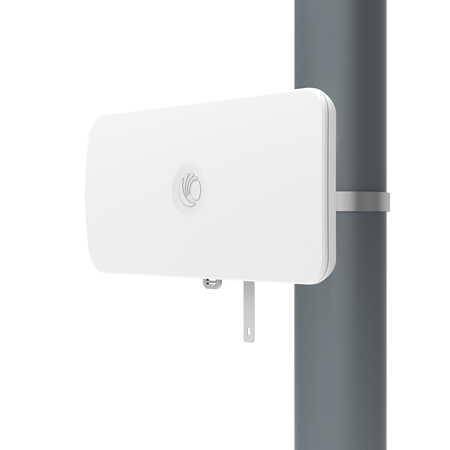
Compact form factor, integrated antenna, serious performance.
Gbps-class capability without overpaying.
Flexible for both point-to-multipoint and point-to-point.
More subscribers. Less deployment cost.
Technology That Actually Delivers
MU-MIMO
Serve more subscribers at the same time. Make better use of available spectrum instead of talking to one client at a time.
Beamforming
Gain additional link budget advantage with single user beamforming on the 4X4 or 8X8 platforms.
Asymmetric Bandwidth
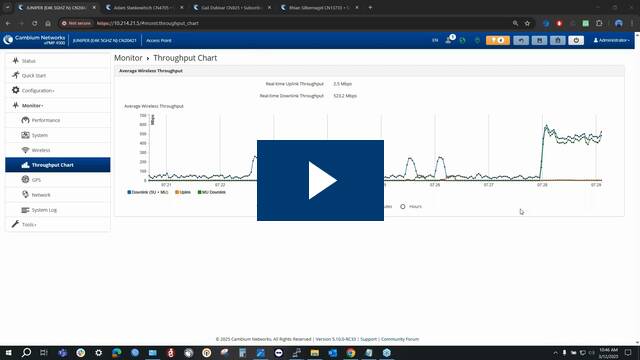
Your subscribers don’t use bandwidth equally. Configure uplink and downlink channel bandwidth around real traffic patterns.
Interference Resilience + Frequency Reuse
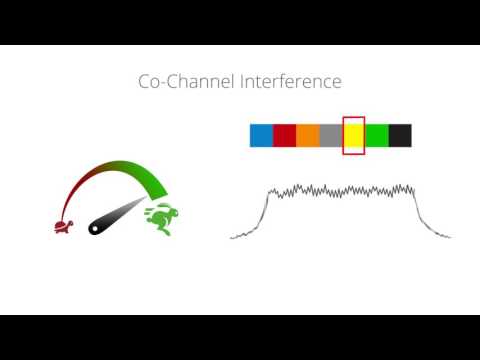
Proven technology that minimizes damaging self-interference, enabling you to scale network density, maximize spectrum efficiency, and expand capacity without constantly adding spectrum or towers.
New Spectrum. Same Commitment to Performance.
ePMP is available in 5 GHz and 6 GHz. In markets where 6 GHz is open, operators get clean spectrum and fiber-like speeds with far less time and capital than other options.
The platform continues to evolve with new hardware and software. You get a platform built for growth, not a one-generation solution.
- 5 GHz available
- 6 GHz available
- Backwards-compatible roadmap
- Fiber is expanding.
- Starlink is here.
- Subscribers have choices.
- Give them a reason to stay with you.
With Cambium ePMP you get
- The performance to compete
- The economics to win
- Technology refined through years of real WISP deployments
- An evolving platform that scales without forcing you into high-cost proprietary hardware
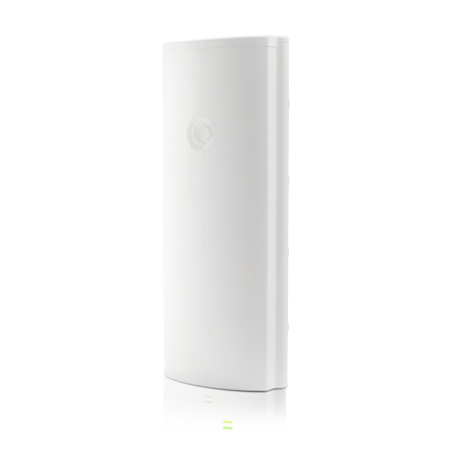
ePMP 4500 Series
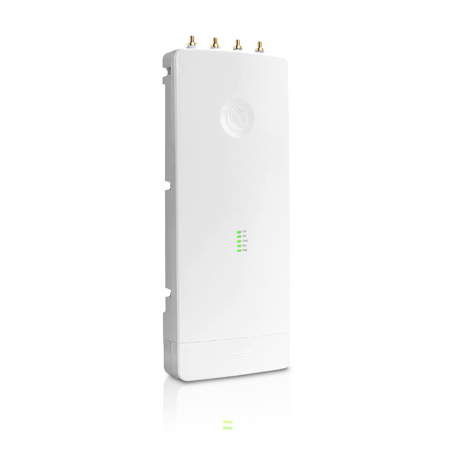
Deliver high-performance, scalable, and reliable fixed wireless access with the ePMP 4500 series, powered by advanced 802.11ax technology. ePMP 4500 features:
- 8×8 MU-MIMO for up to 4 Gbps in 5 GHz
- Supports up to 120 subscriber modules
- Ideal for dense deployments and enhanced interference mitigation
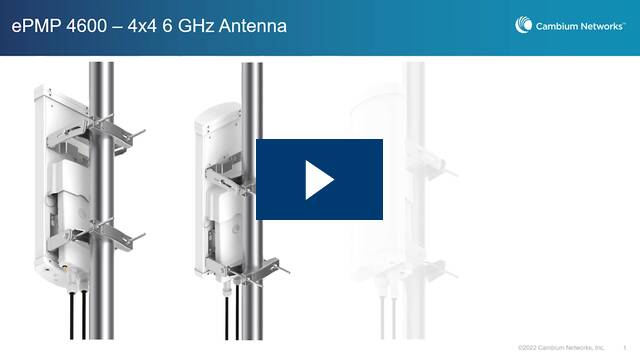
ePMP 4600 Series
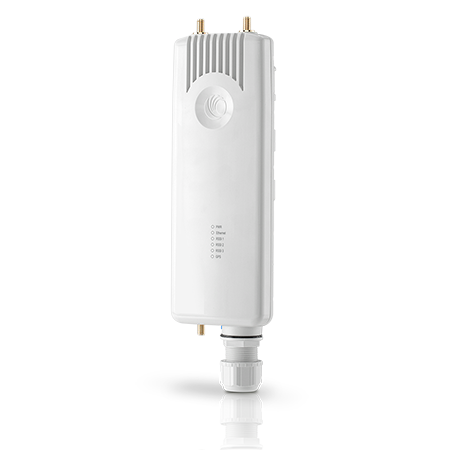
Make the most of 6 GHz with the ePMP 4600 fixed wireless solution that delivers high-performance, scalable and reliable access points for fixed wireless access. ePMP 4600 features:
- MU-MIMO for up to 4 Gbps in 6 GHz
- Low TCO with three-year hardware warranty
- Interoperable with all Force 4600 radios
Key Features
Select a feature to see how it works.
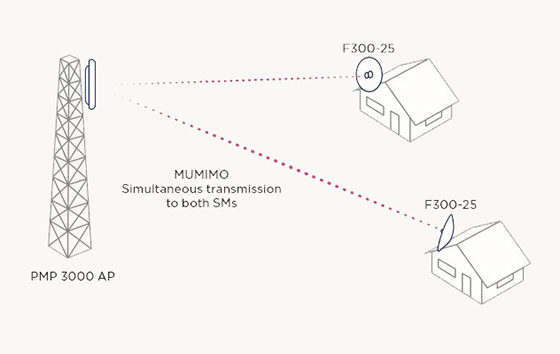
Achieving higher throughput in the downlink is often solved by achieving higher modulation or wider channels. In both cases, the environment and interference prevents achieving higher modulations or operating in wider channel bandwidths. Multi-User MIMO technology (MUMIMO) simultaneously transmits to 2 subscribers in the downlink, thus doubling the throughput in the downlink.
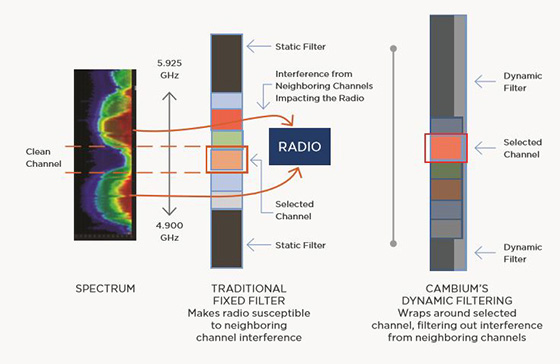
As more transmitters are deployed, noise continues to be a critical factor in operation. While almost all radios have some type of filtering, many use static filters that block out only noise from outside of the radio’s total operating spectrum. While this provides a clear channel for operation, these systems still allow noise from neighboring channels to affect system performance. Cambium solutions use dynamic filtering with a static filter to block noise from outside of the operating spectrum and a dynamic filter to block out interference from adjacent channels. As the system changes to another channel, it automatically blocks out noise from adjacent channels to improve signal quality.
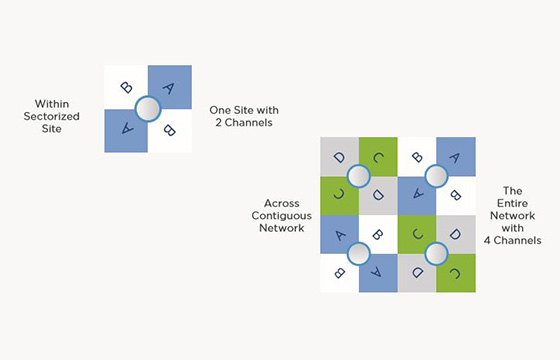
By re-using frequencies when deployed in back-to-back configuration, a network operator can effectively use the same frequency twice to connect users. In large deployments, a network operator can connect thousands of users by reusing the same frequencies across the field service area, maximizing the use of available frequency and providing access to thousands of users in a small amount of spectrum.
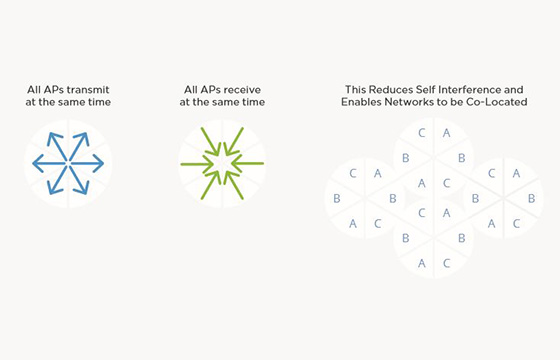
When networks become more dense, self-interference becomes an issue. GPS synchronization coordinates the entire network, reduces self-interference, and keeps network performance high as more subscribers are added.
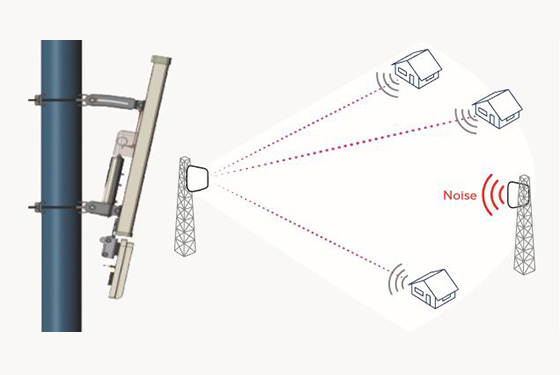
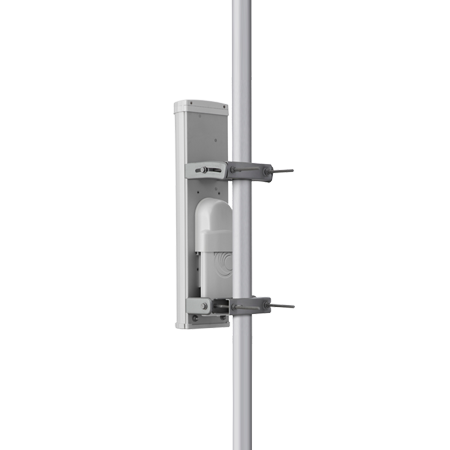
As more emitters are deployed in the service area, it’s important to mitigate noise and interference to provide reliable high-speed connectivity. ePMP Access Points (AP) work in conjunction with the optional beam-steering antenna to create narrow beams in the uplink, which in turn improves the signal-to-noise ratio. Placed at the AP on a tower, the smart antenna creates tighter beams to connect with subscribers while nulling out radiation from unwanted emitters in the field.
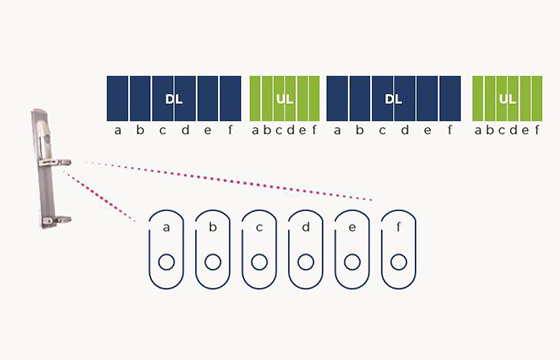
ePMP employs a sophisticated priority-based, air-fairness, starvation-avoidance algorithm for allocating RF resources to subscriber modules (SM). The allocations are based on airtime instead of throughput, thus avoiding the situation where SMs in poor RF conditions take up an excessive amount of time and, consequently, available capacity.