ePMP Overview
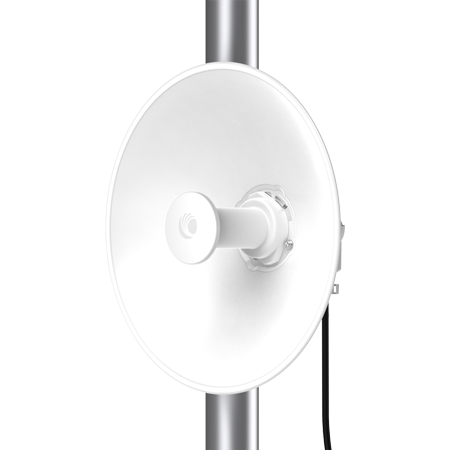
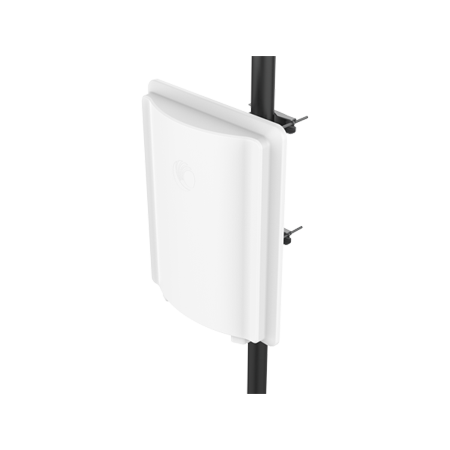
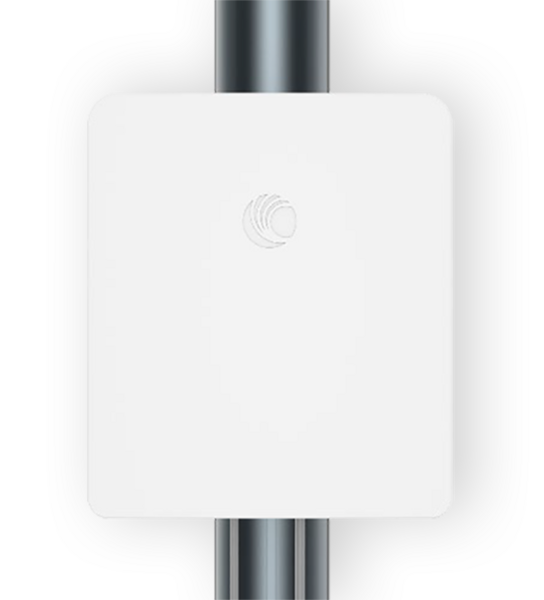
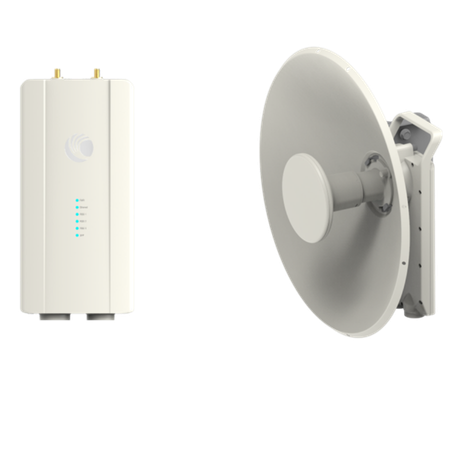
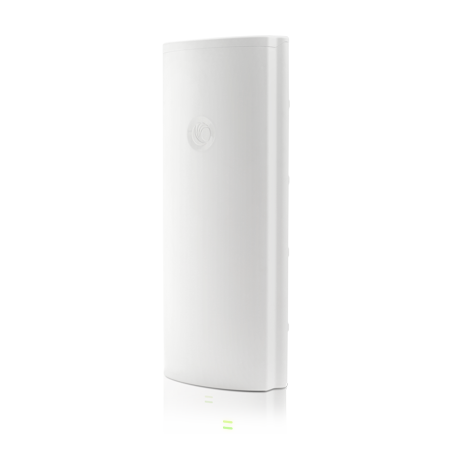
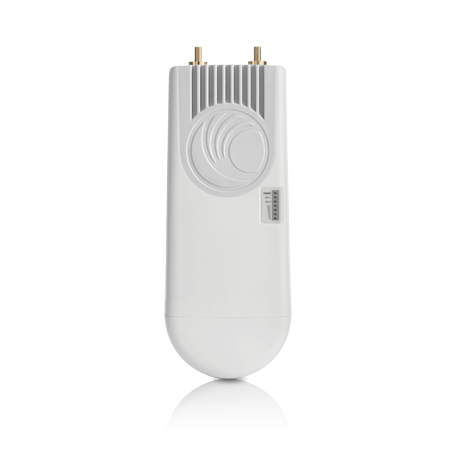
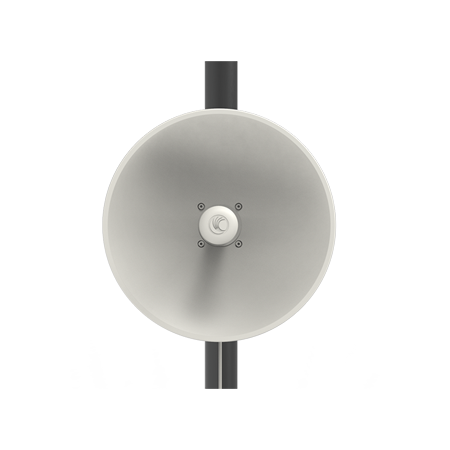
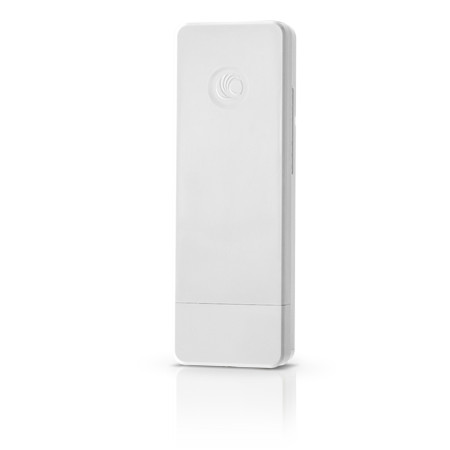
The ePMP fixed wireless broadband platform offers affordable scalability and performance. Now in its fourth generation, millions of ePMP radios have been deployed around the world for more than a decade in both point-to-multipoint and point-to-point topologies. Service providers and network operators rely on Cambium’s superior interference mitigation, frequency reuse, and tailored air interface.
The latest generation, ePMP 4000 Series, offers backwards compatibility, while taking advantage of the latest 802.11ax standard and maintaining ePMP features such as TDD synchronization, SmartQoS, and frame optimization. Now available in the 6 GHz spectrum, the 4600 Series takes advantage of 850 MHz of new clean, low-noise spectrum. The ePMP 4500 offers the same technology in the 5 GHz frequency band.
Watch the latest ePMP fixed wireless broadband webinars.
Learn about 6 GHz & access the free AFC spectrum availability tool.
Getting started with ePMP
ePMP 4500 Series
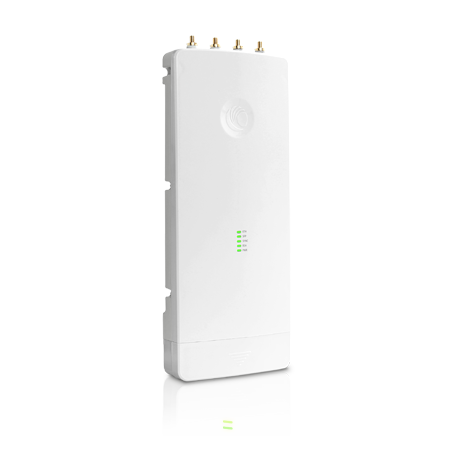
Deliver high-performance, scalable, and reliable fixed wireless broadband with the ePMP 4500 series, powered by advanced 802.11ax technology. ePMP 4500 features:
- 8×8 MU-MIMO for up to 4 Gbps in 5 GHz
- Supports up to 120 subscriber modules
- Ideal for dense deployments and enhanced interference mitigation
ePMP 4600 Series
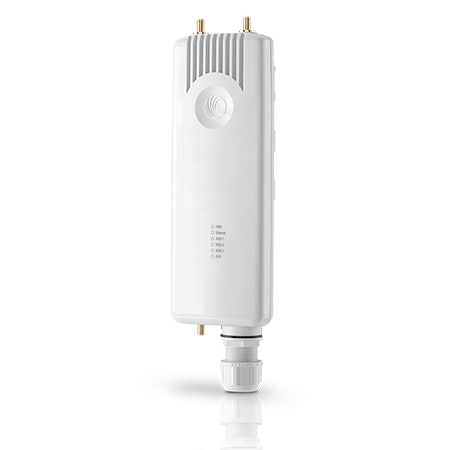
Make the most of 6 GHz with the ePMP 4600 fixed wireless solution that delivers high-performance, scalable and reliable access points for fixed wireless broadband. ePMP 4600 features:
- MU-MIMO for up to 4 Gbps in 6 GHz
- Low TCO with three-year hardware warranty
- Interoperable with all Force 4600 radios
Key Features
Multi User MIMO
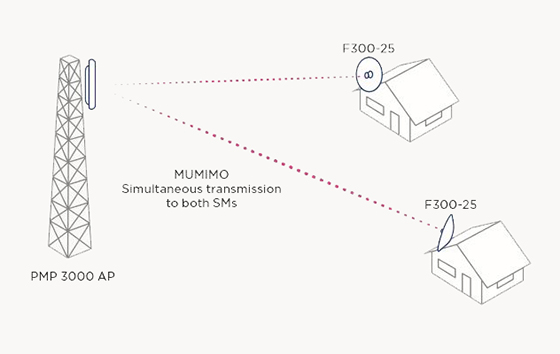
Achieving higher throughput in the downlink is often solved by achieving higher modulation or wider channels. In both cases, the environment and interference prevents achieving higher modulations or operating in wider channel bandwidths. Multi-User MIMO technology (MUMIMO) simultaneously transmits to 2 subscribers in the downlink, thus doubling the throughput in the downlink.
Intelligent Filtering
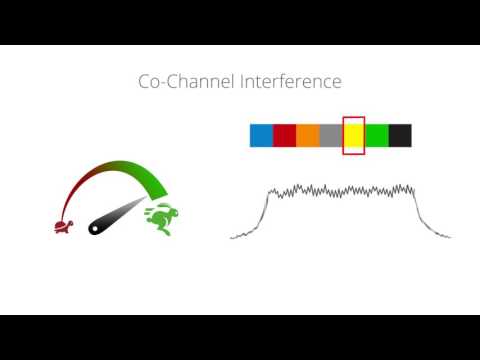
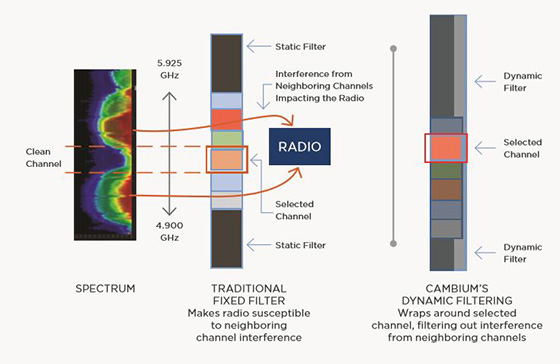
As more transmitters are deployed, noise continues to be a critical factor in operation. While almost all radios have some type of filtering, many use static filters that block out only noise from outside of the radio’s total operating spectrum. While this provides a clear channel for operation, these systems still allow noise from neighboring channels to affect system performance. Cambium solutions use dynamic filtering with a static filter to block noise from outside of the operating spectrum and a dynamic filter to block out interference from adjacent channels. As the system changes to another channel, it automatically blocks out noise from adjacent channels to improve signal quality.
Frequency Reuse
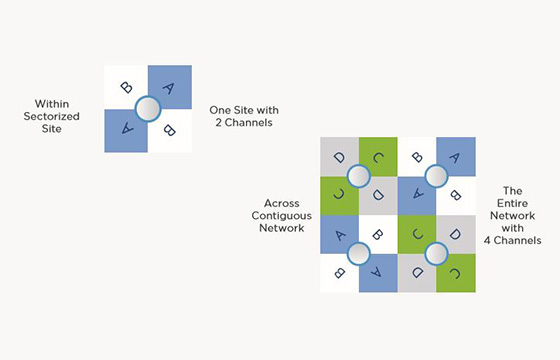
By re-using frequencies when deployed in back-to-back configuration, a network operator can effectively use the same frequency twice to connect users. In large deployments, a network operator can connect thousands of users by reusing the same frequencies across the field service area, maximizing the use of available frequency and providing access to thousands of users in a small amount of spectrum.
GPS Synchronization
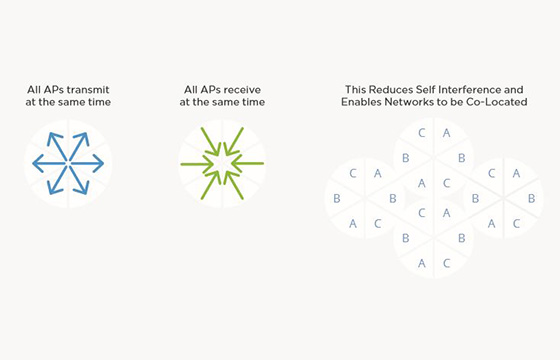
When networks become more dense, self-interference becomes an issue. GPS synchronization coordinates the entire network, reduces self-interference, and keeps network performance high as more subscribers are added.
Smart Beamforming and Beam Steering
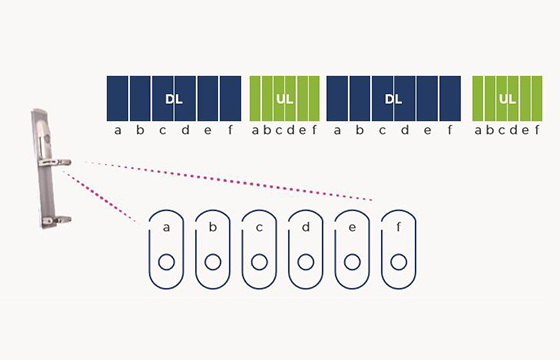
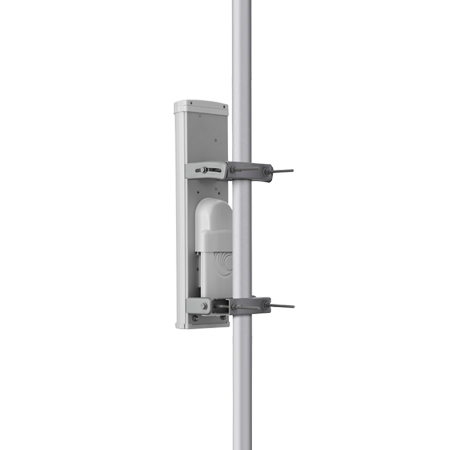
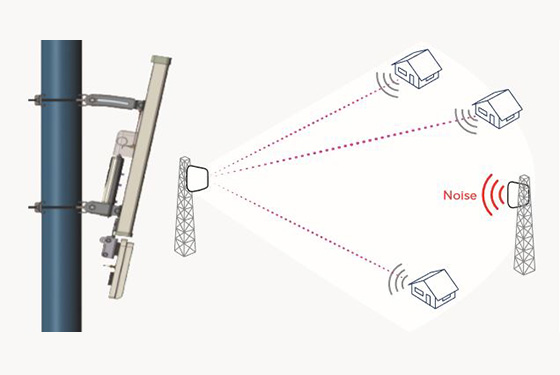
As more emitters are deployed in the service area, it’s important to mitigate noise and interference to provide reliable high-speed connectivity. ePMP Access Points (AP) work in conjunction with the optional beam-steering antenna to create narrow beams in the uplink, which in turn improves the signal-to-noise ratio. Placed at the AP on a tower, the smart antenna creates tighter beams to connect with subscribers while nulling out radiation from unwanted emitters in the field.
Air Fairness
ePMP employs a sophisticated priority-based, air-fairness, starvation-avoidance algorithm for allocating RF resources to subscriber modules (SM). The allocations are based on airtime instead of throughput, thus avoiding the situation where SMs in poor RF conditions take up an excessive amount of time and, consequently, available capacity.